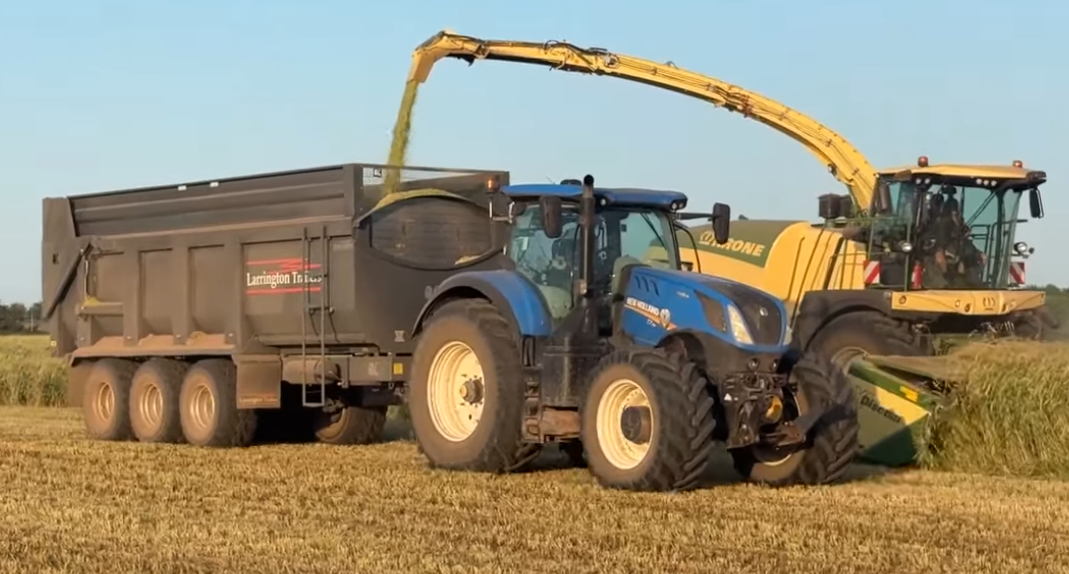
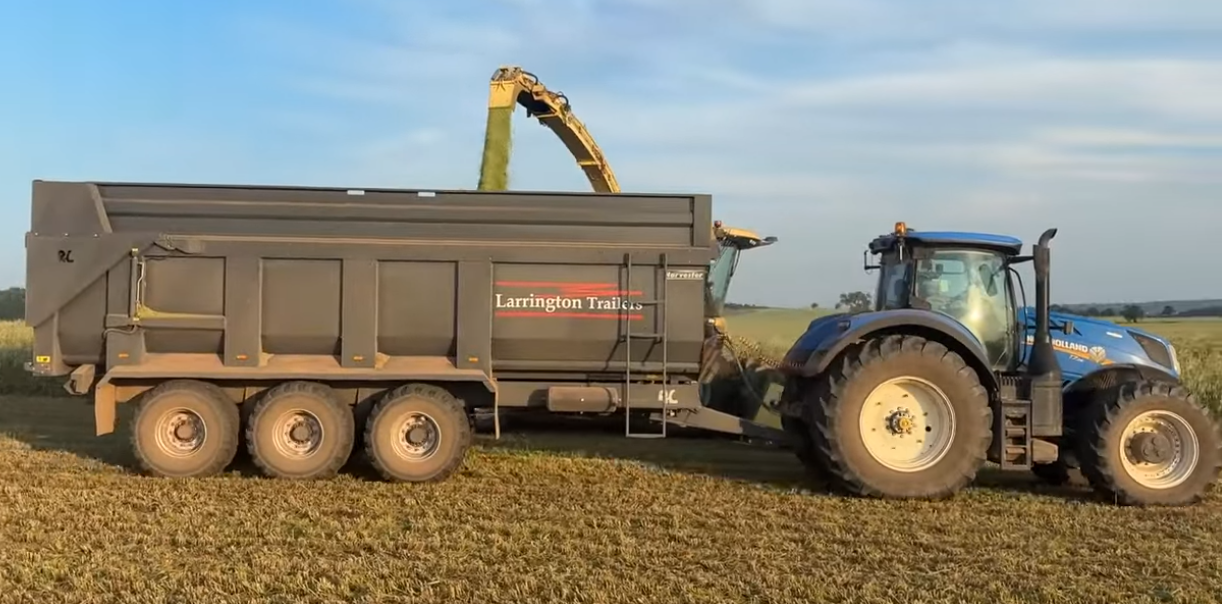
Description
The Future of Agricultural Transport
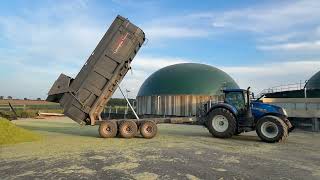
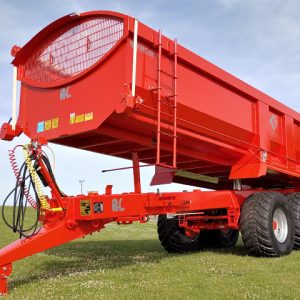
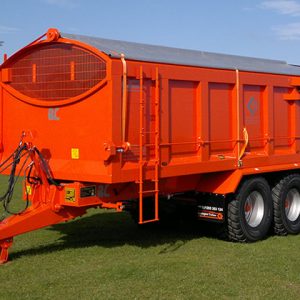
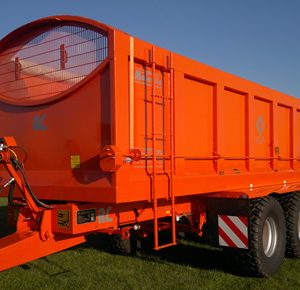
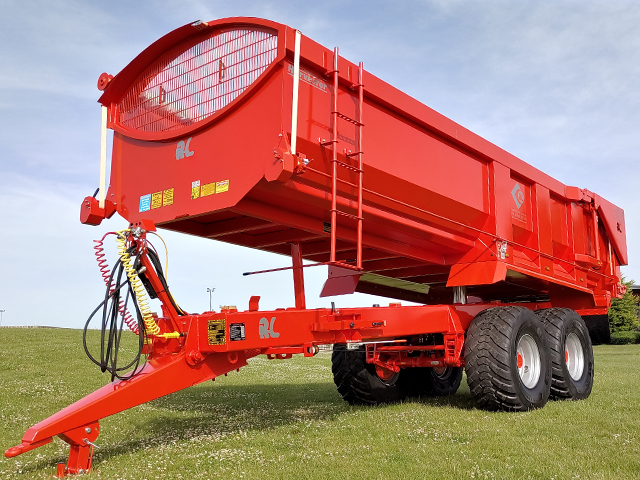
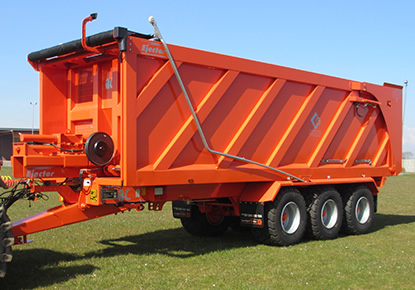
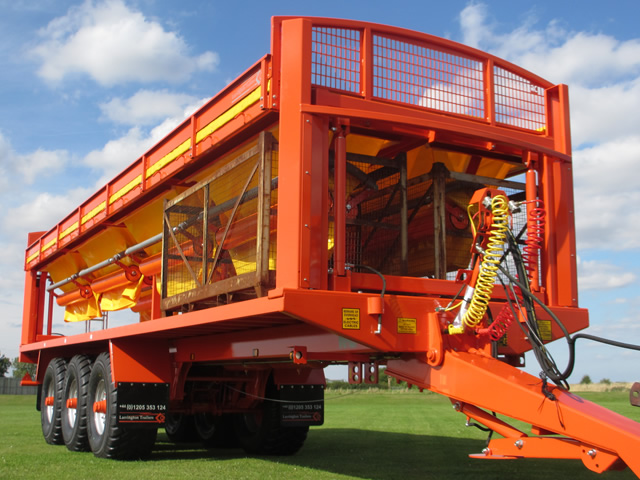
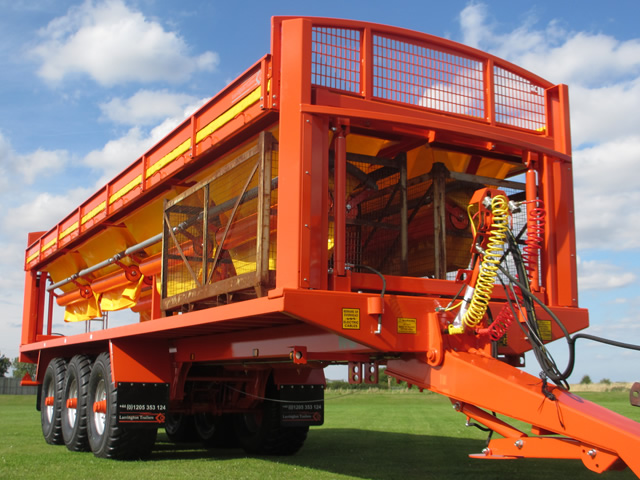
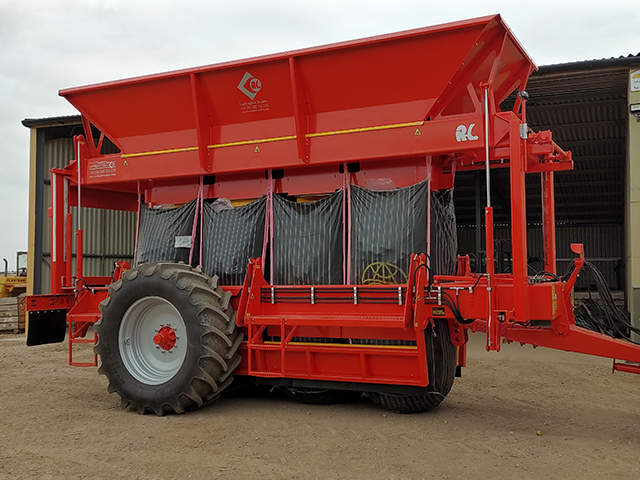
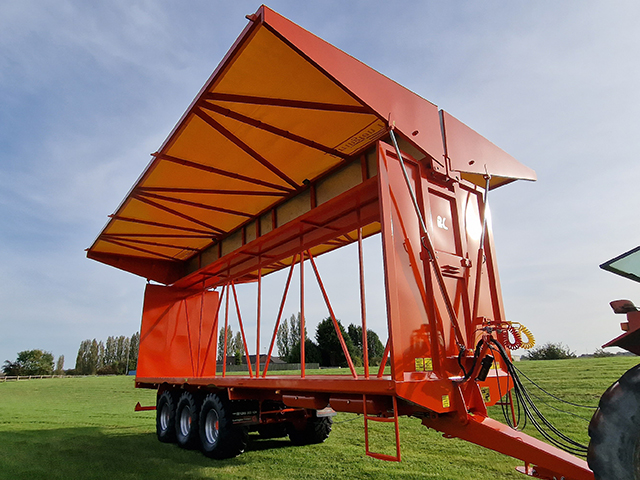
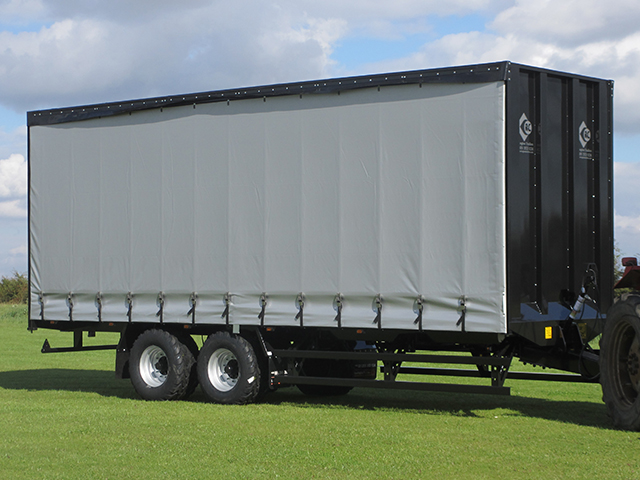
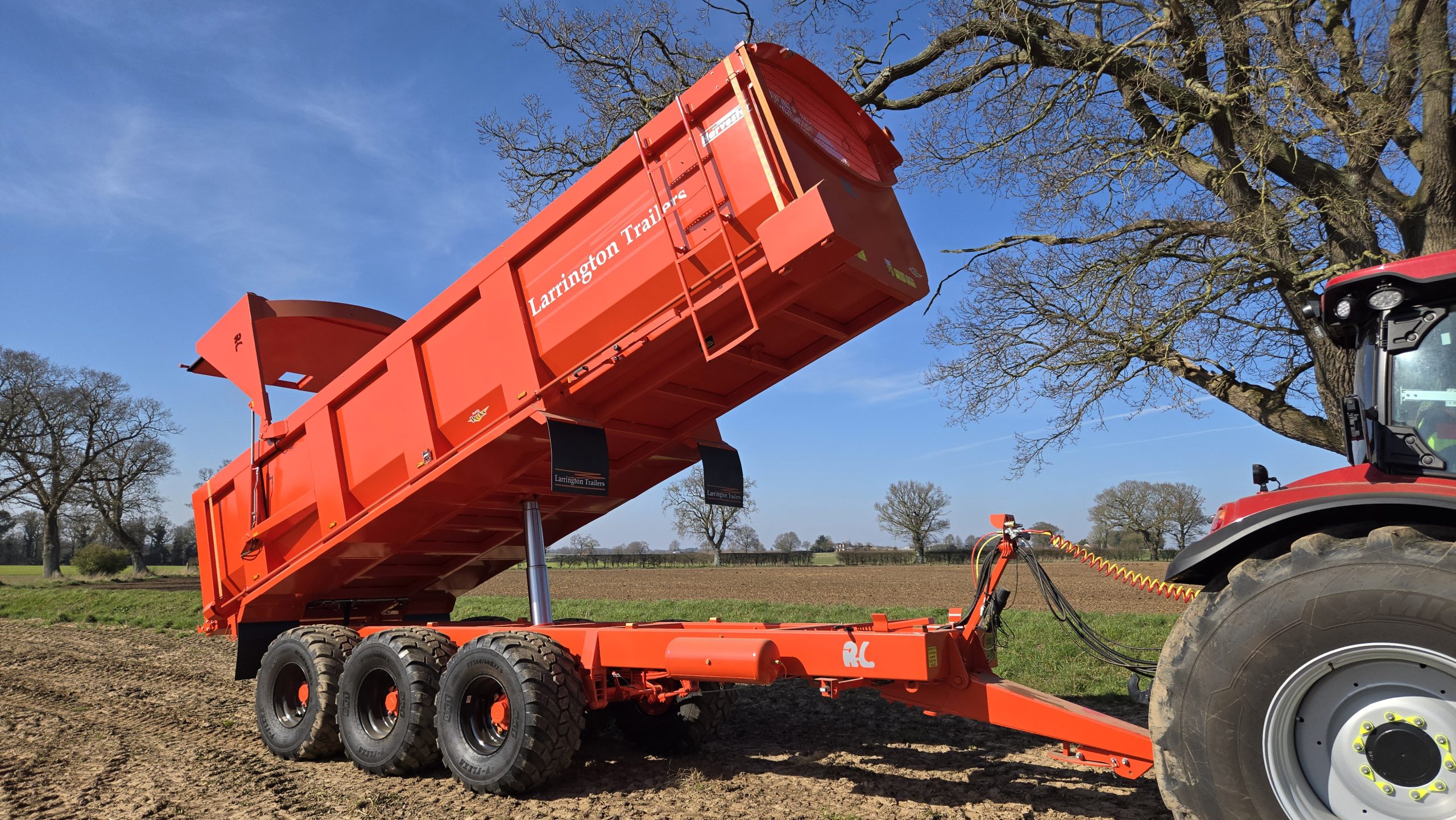
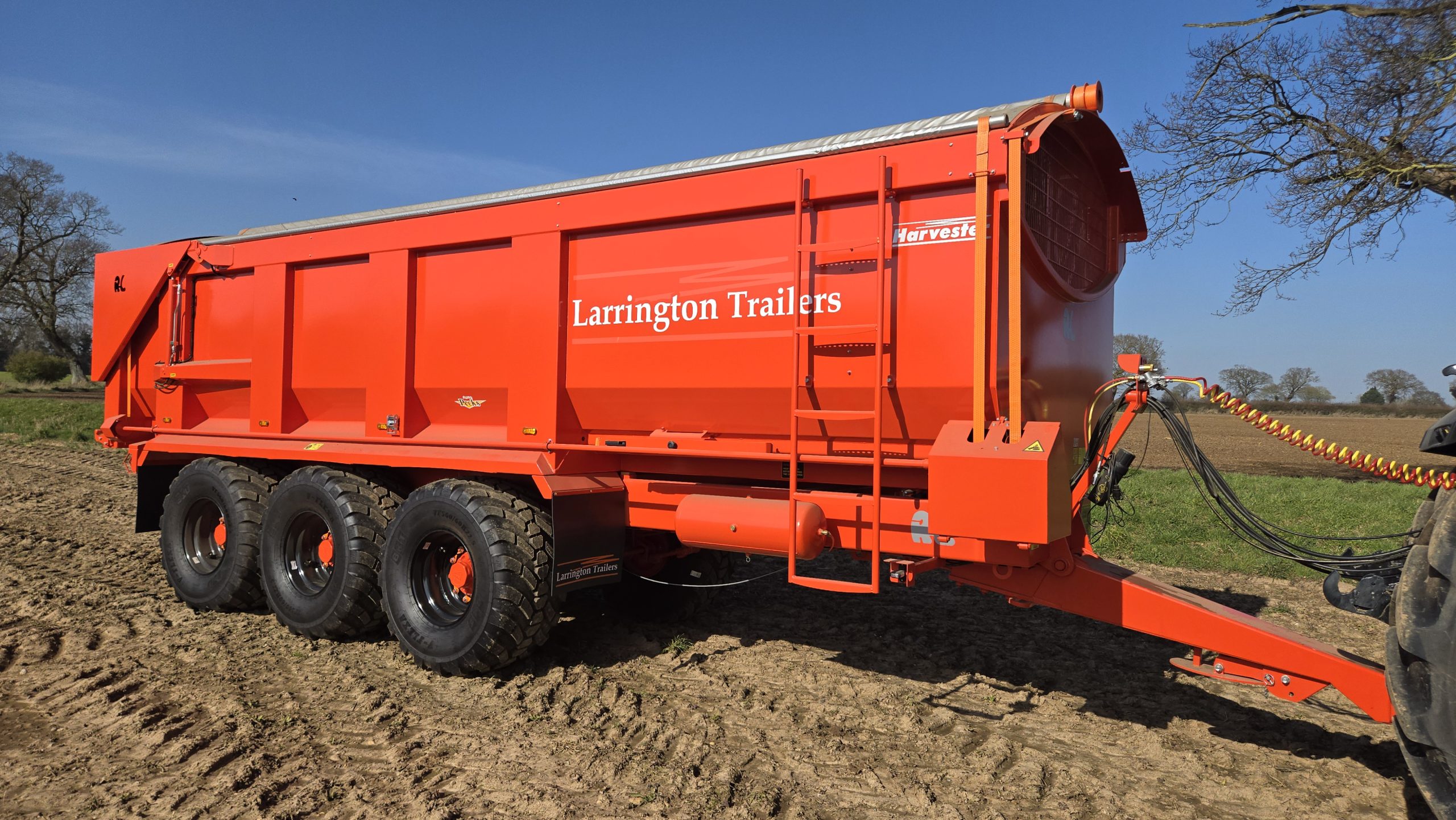
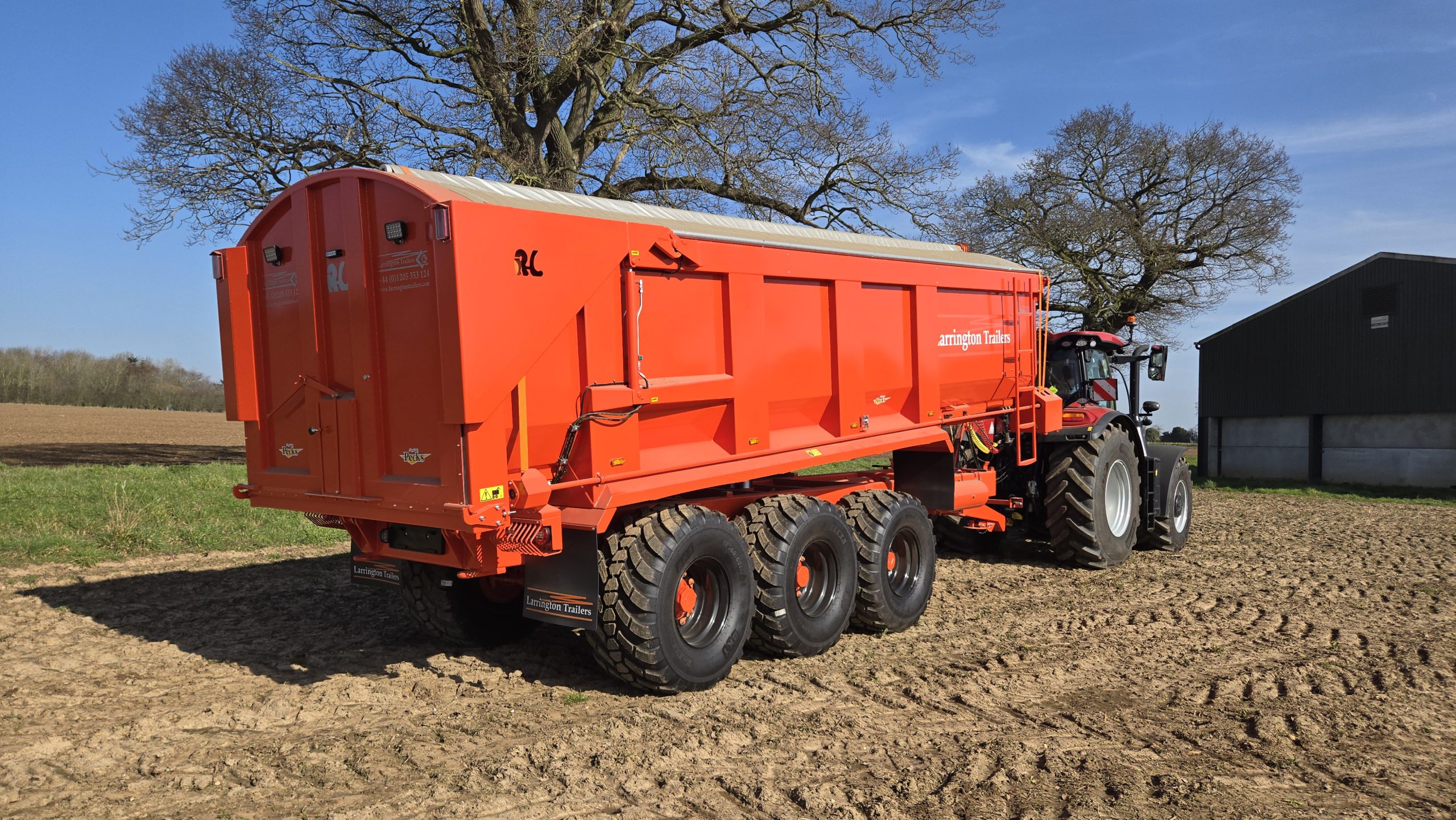
The Tri‑Axle Harvester trailer just like the Majestic trailer represents the next generation of high‑capacity agricultural haulage. While tri‑axle trailers are still emerging in the UK, they are already the standard across much of Europe — and for good reason.
As machinery grows in size and output, the demands on agricultural trailers increase. Greater capacity, improved stability, and higher efficiency are now essential. That’s why tri‑axle trailers continue to rise in popularity across modern farming operations.
Larrington Trailers is one of the UK’s leading tri‑axle trailer manufacturers. With more tri‑axle builds completed than some of the other major British manufacturers combined, we know exactly what it takes to engineer a trailer that delivers strength, performance, and long‑term value.
Here’s why farmers and contractors choose the Larrington Tri‑Axle Harvester.
Protect Your Land and Your Investment
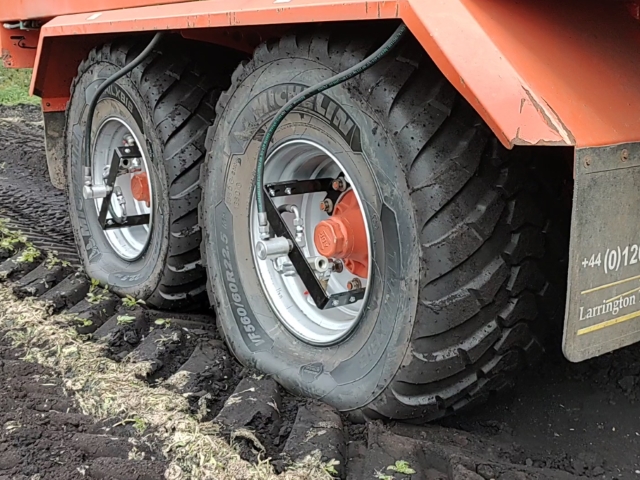
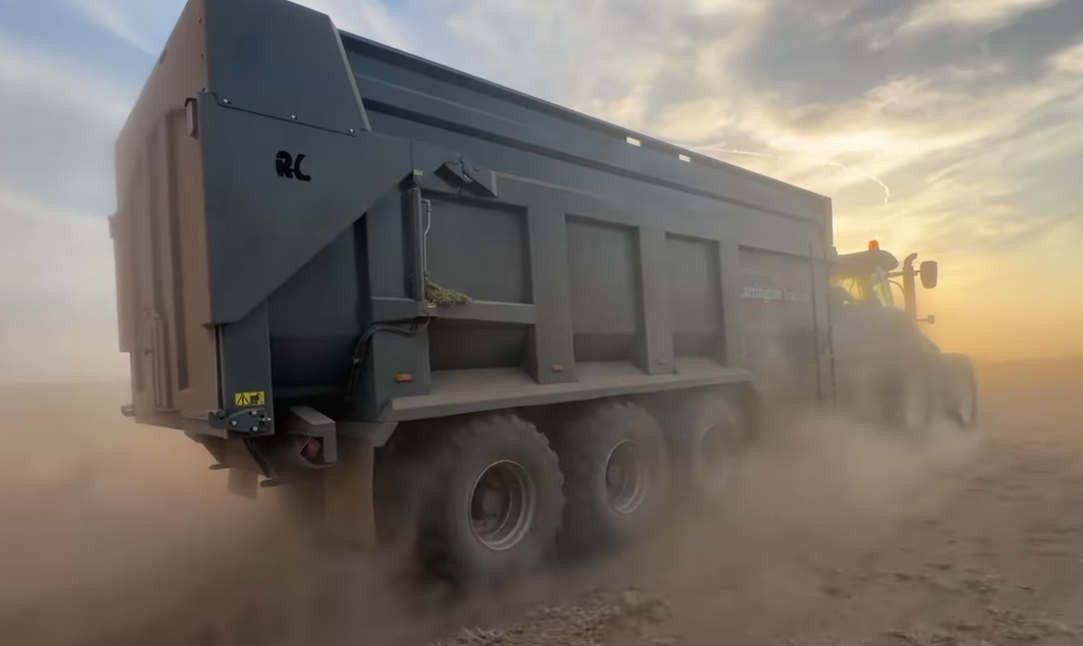
A major advantage of a tri‑axle trailer — and one often overlooked — is the significant reduction in ground pressure. Spreading the load across three axles reduces pressure by a third, helping the trailer stay on top of the ground rather than cutting into deep ruts. The result: less soil damage, less compaction, and better long‑term productivity.
Reduced Tractor Wear
Lower ground pressure means less drag and less resistance. Because the trailer stays on the surface instead of sinking, your tractor requires far less pulling power. Reduced strain equals reduced wear — extending the working life of your tractor and lowering your operating costs.
Lower Your Carbon Footprint
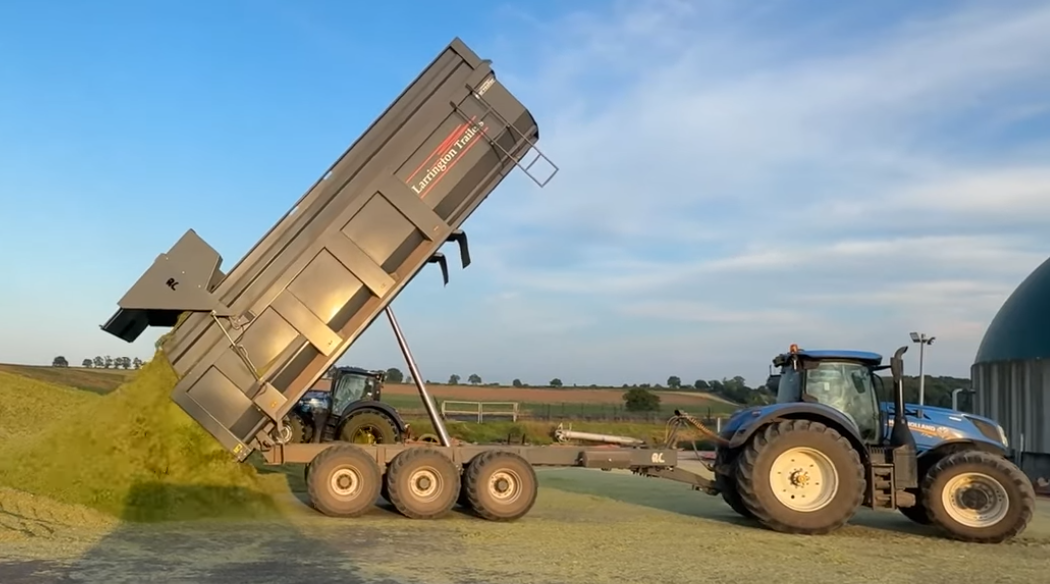
Larger tri‑axle trailers allow operators to move more material per journey. Many Larrington customers have significantly reduced the number of trips to and from the clamp or store, cutting fuel use and lowering their environmental impact. More efficiency, less carbon.
Superior Steering and Manoeuvrability
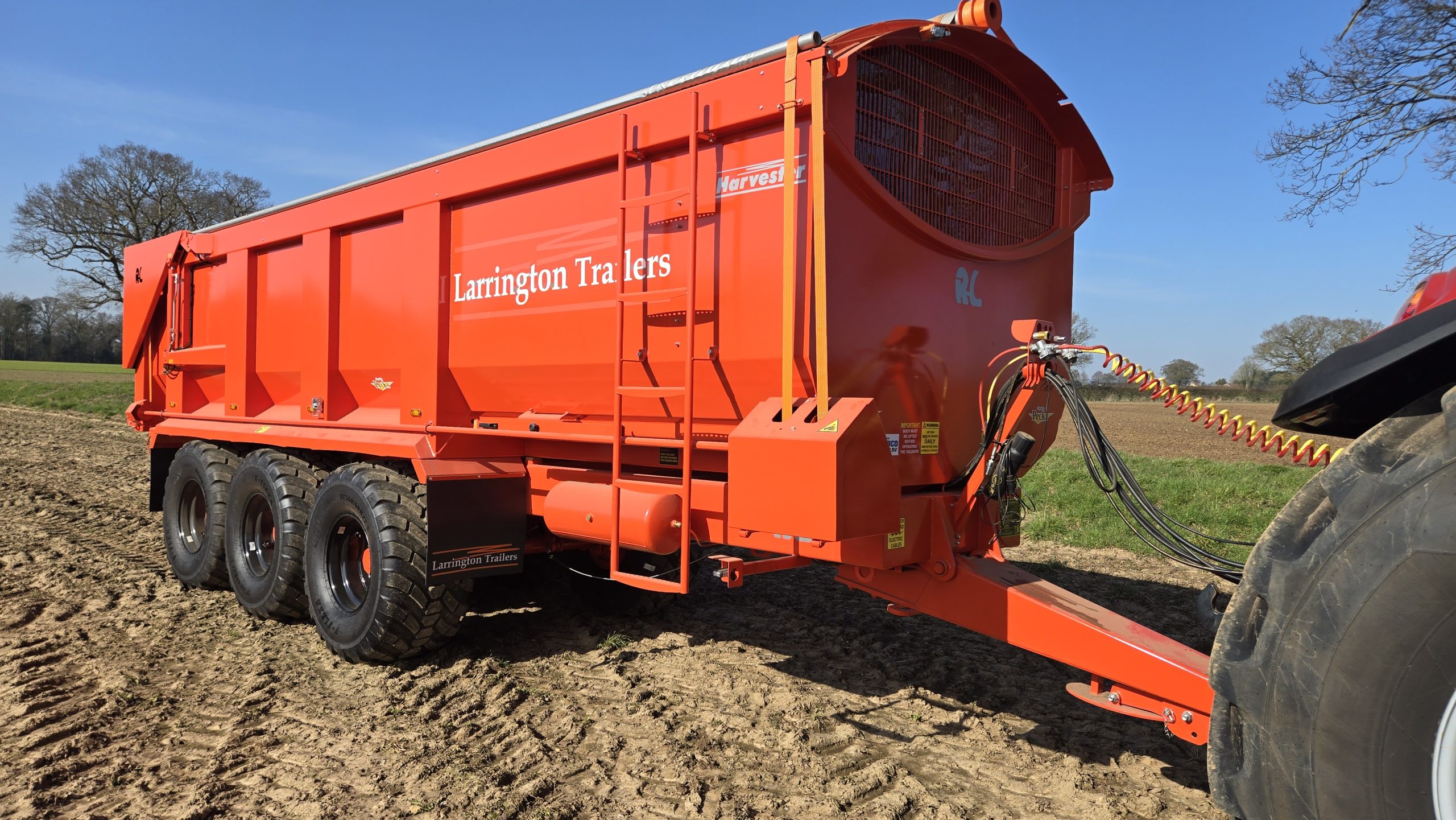
With the suspension positioned further forward than on a tandem‑axle trailer, the tri‑axle layout delivers a noticeably tighter turning circle. Many customers report that their Harvester turns into narrow gateways more easily than their tandem trailers — a major advantage in tight farmyards and field entrances.
Single Tipping Ram
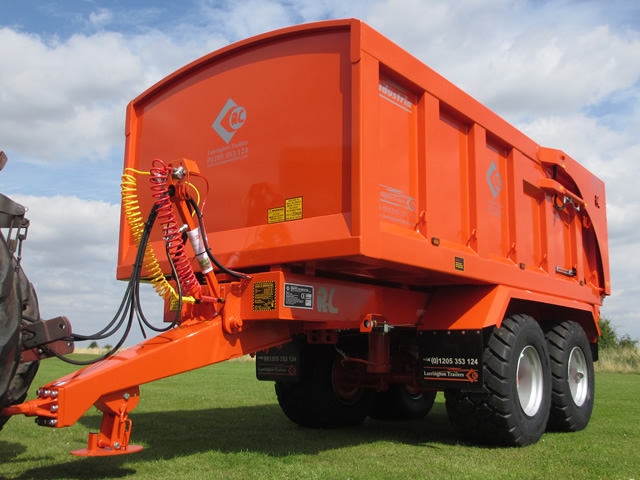
Like all Larrington trailers, the Tri‑Axle Harvester uses a single tipping ram. This system requires less oil and less pressure per tonne compared to twin‑ram setups, reducing wear on both the trailer and your tractor’s hydraulic pump. It’s a simpler, stronger, more efficient solution.
Commercial Axles Fitted as Standard
Every Harvester tri‑axle trailer comes equipped with commercial‑grade axles featuring 420 x 180 brakes on a 2000mm track. This wider track enhances stability and allows you to choose between single‑line hydraulic brakes or twin‑line air braking systems, & ABS, depending on your operation.
Heavy Duty Box‑Section Chassis
The Harvester features a heavy‑duty box‑section S355 chassis, engineered for exceptional strength and long‑term durability. This proven design delivers the rigidity needed for high‑capacity work while maintaining a clean robust structure suitable for demanding agricultural environments.
Harvester Body Construction: Built for Strength and Longevity
The Harvester’s body is engineered from high‑grade structural steel to deliver exceptional durability in demanding agricultural environments. The side panels are manufactured from 4 mm S275 plate, while the floor is constructed from a heavier 6 mm S275 plate. This combination provides the ideal balance of strength, impact resistance, and long‑term wear performance — especially when handling abrasive crops or operating on uneven ground. The robust steel specification ensures the body maintains its shape, resists denting, and delivers reliable service season after season.
Lower Tipping Heights for Safer, Faster Unloading
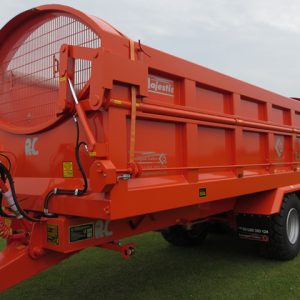
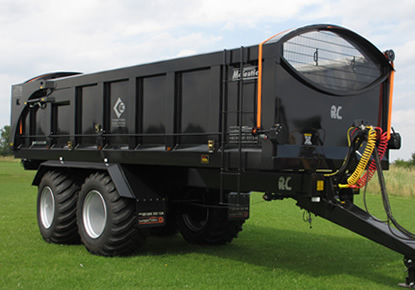
The half‑pipe body design of the Harvester trailer significantly reduces the tipping height required when unloading grain into low buildings. The radiused sides allow the crop to flow out at a lower tipping angle — typically around 18° — enabling the load to clear more efficiently.
This means operators spend less time pulling out of the shed, resetting, and tipping again to empty the trailer fully. The result is a faster, safer, and more efficient unloading process. The same advantage applies to silage, maize, and other bulk crops, where the lower tipping height greatly improves stability during the tipping process.